%2Ffit-in%2F250x250%2Fguide_websites%2F120447%2Fimages%2F1772571294423image-2026-03-04t040816.512.jpg&w=1200&q=100)
/users/f4fcd43d-111d-4316-8f79-8e59087e1a44/ratecard/539624809_17968390814938033_7600606165061077557_n.-mmb2qmk2.jpg)
%2F300x300%2Fusers%2Ff4fcd43d-111d-4316-8f79-8e59087e1a44%2Fratecard%2F539624809_17968390814938033_7600606165061077557_n.-mmb2qmk2.jpg&w=256&q=75)
%2F300x300%2Fusers%2Ff4fcd43d-111d-4316-8f79-8e59087e1a44%2Fimages%2Fstream-fishing-catch-newport-pa-2305.jpg&w=256&q=75)
%2F300x300%2Fusers%2Ff4fcd43d-111d-4316-8f79-8e59087e1a44%2Fimages%2Fnewport-pa-cutthroat-trout-catch-2419.jpg&w=256&q=75)
%2F300x300%2Fusers%2Ff4fcd43d-111d-4316-8f79-8e59087e1a44%2Fimages%2Fnewport-pa-fishing-trip-2313.jpg&w=256&q=75)
%2F300x300%2Fusers%2Ff4fcd43d-111d-4316-8f79-8e59087e1a44%2Fimages%2Fnewport-pa-fishing-catch-2377.jpg&w=256&q=75)
%2F300x300%2Fusers%2Ff4fcd43d-111d-4316-8f79-8e59087e1a44%2Fimages%2Ftrout-catch-newport-pa-fishing-2390.jpg&w=256&q=75)
%2F300x300%2Fusers%2Ff4fcd43d-111d-4316-8f79-8e59087e1a44%2Fimages%2Frainbow-trout-newport-pa-fishing-2398.jpg&w=256&q=75)
%2F300x300%2Fusers%2Ff4fcd43d-111d-4316-8f79-8e59087e1a44%2Fimages%2Fnewport-pa-trout-fishing-success-2362.jpg&w=256&q=75)
%2F300x300%2Fusers%2Ff4fcd43d-111d-4316-8f79-8e59087e1a44%2Fimages%2Ftrout-fishing-newport-pa-lake-2444.jpg&w=256&q=75)
%2F300x300%2Fusers%2Ff4fcd43d-111d-4316-8f79-8e59087e1a44%2Fimages%2Fnewport-pa-brook-trout-catch-2335.jpg&w=256&q=75)
%2F300x300%2Fusers%2Ff4fcd43d-111d-4316-8f79-8e59087e1a44%2Fimages%2Ffishing-setup-newport-pa-rocks-2323.jpg&w=256&q=75)
Beginner Fly Fishing North Platte River Laramie
 Laramie, WY
What you will be catching:
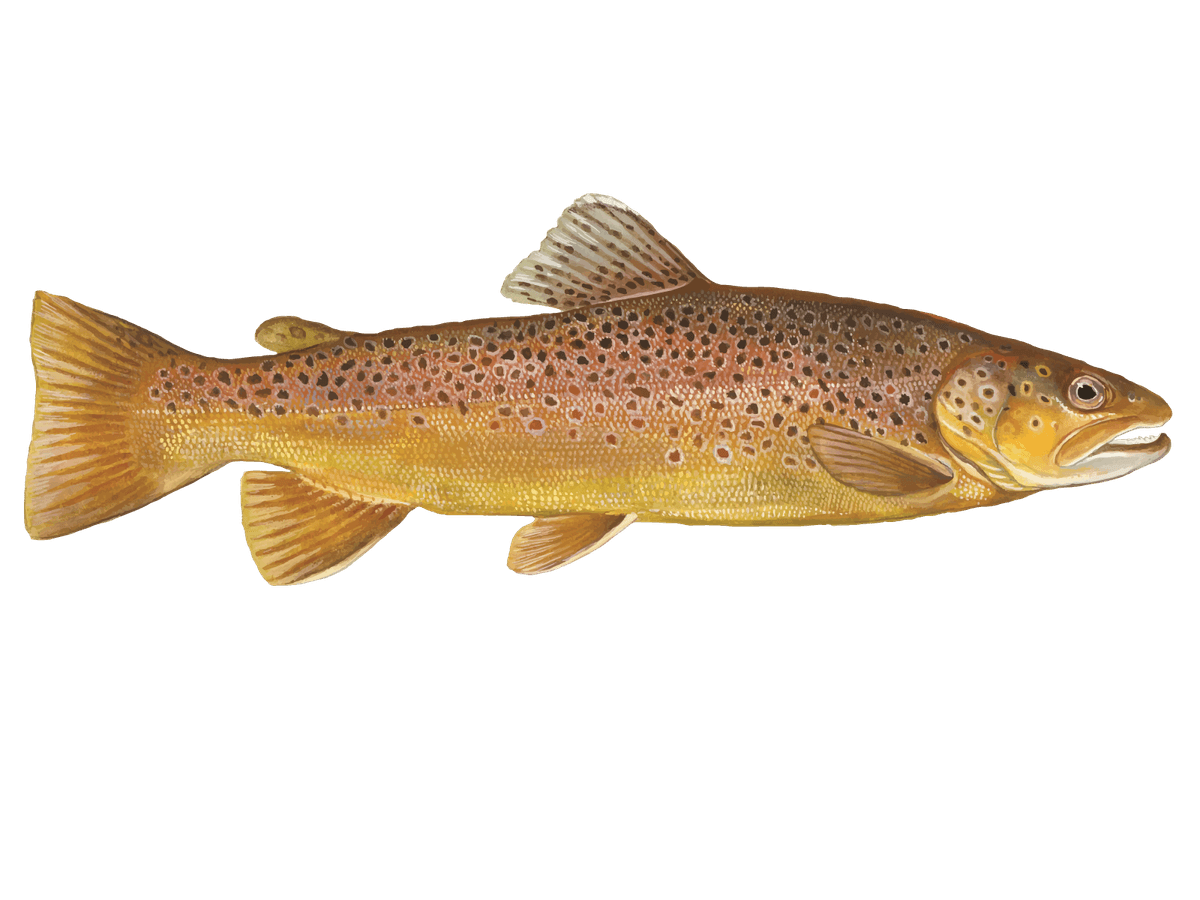
 Brown Trout
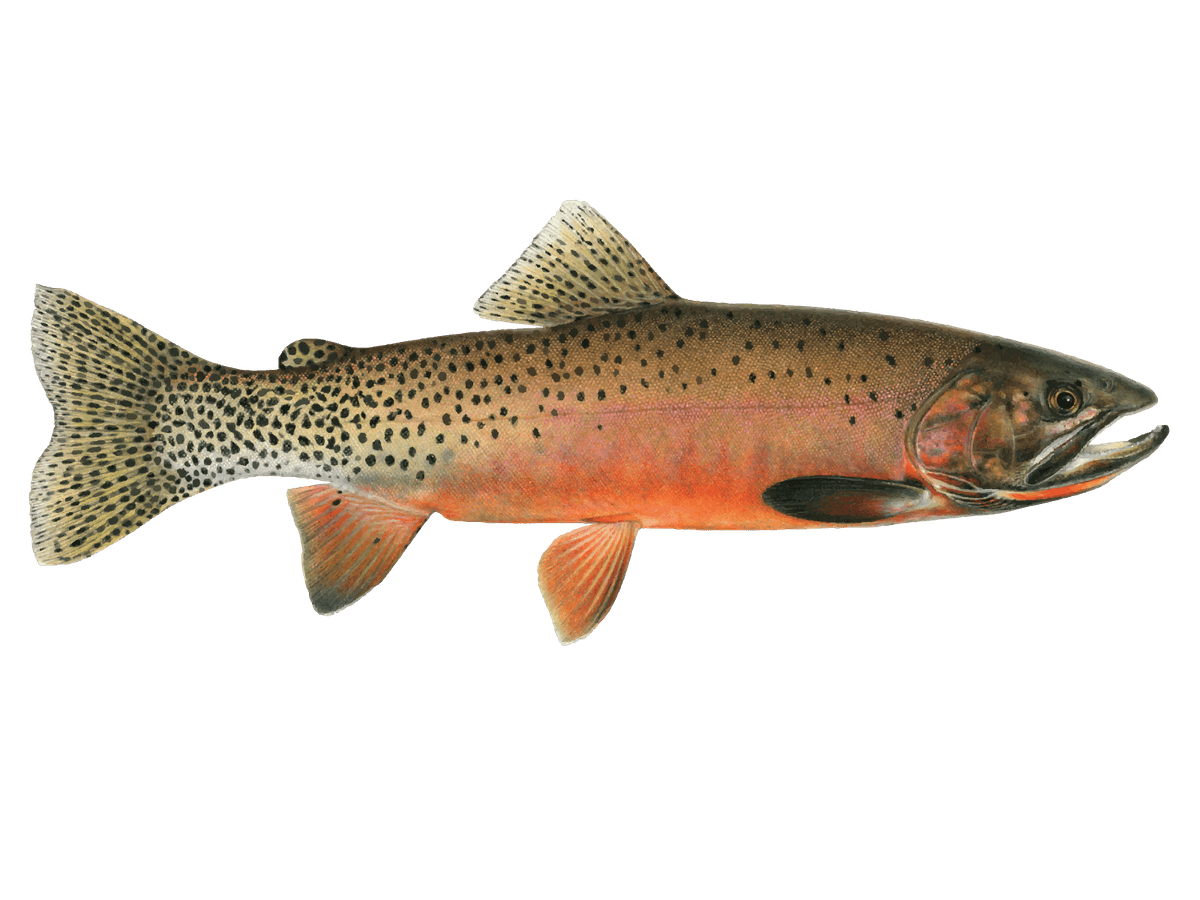
 Cutthroat Trout
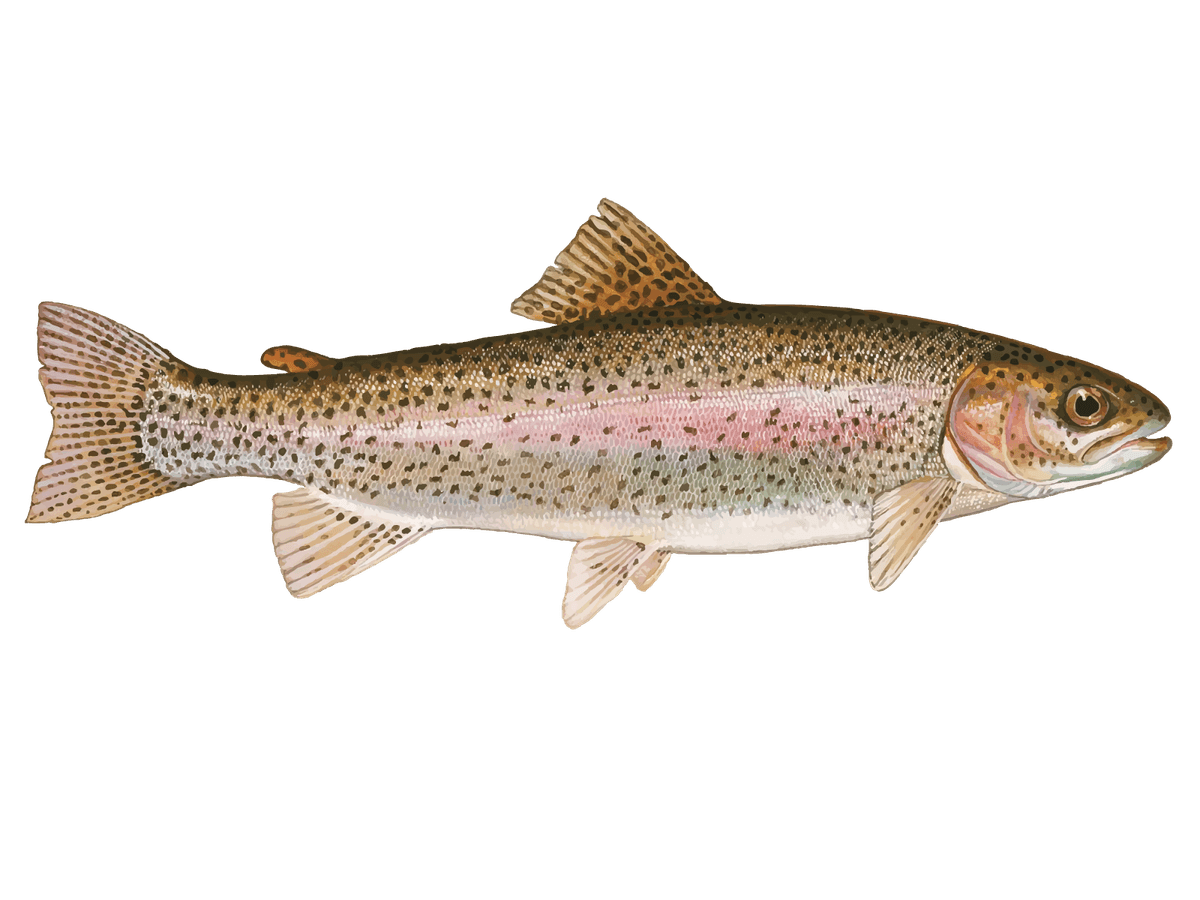
 Rainbow Trout
- Private guide provides personalized fly fishing instruction for beginners
- North Platte River offers diverse trout species and water conditions
- Maximum two guests ensures individualized attention and skill development
Trip Pricing and Availabilities:
Trip pricing information is temporarily unavailable.
Beginner Fly Fishing Trip on North Platte River
Starting your fly fishing journey can feel overwhelming, but it doesn't have to be. Our beginner-focused trips on the North Platte River near Laramie are designed specifically for folks who want to learn the ropes without the pressure. You'll spend the day with a dedicated guide who knows these waters like the back of their hand, learning everything from basic casting to reading water while actually catching fish. The North Platte offers the perfect classroom – clear water, willing trout, and enough variety to keep things interesting. This isn't just about technique; it's about building confidence and having fun while you discover why so many people get hooked on this sport. With a maximum of two guests, you get personalized attention that makes all the difference between a frustrating day and one that sparks a lifelong passion.
What to Expect on the Water
Your day starts with a relaxed meet-up where we'll get you fitted with quality gear and talk through the basics. The North Platte River moves at a perfect pace for beginners – not too fast, not too slow – with plenty of spots where you can practice your cast without fighting heavy current. We'll begin in shallow water where you can see the fish, which makes everything click faster than trying to blind cast into deep holes. The river here runs crystal clear most of the year, giving you front-row seats to watch trout behavior in real time. You'll learn to spot feeding fish, understand why they sit where they do, and figure out which flies work best in different situations. The scenery doesn't hurt either – rolling hills, cottonwoods lining the banks, and that big Wyoming sky overhead. We keep things low-pressure and fun, focusing on building skills gradually rather than throwing everything at you at once. By lunch time, most folks are casting with confidence and reading water like they've been doing it for years.
Learning the Fundamentals
Fly fishing has its own rhythm, and we'll help you find yours without getting bogged down in complicated theory. We start with the basic cast – the foundation of everything else you'll do. Once you've got that motion down, we move into fly selection and why certain bugs work better at different times and places. The North Platte gives us chances to practice dry fly fishing when insects are hatching, nymphing when fish are feeding below the surface, and even some streamer action when trout are feeling aggressive. You'll learn safe wading techniques that keep you steady on your feet and in good position to make effective presentations. We cover knot tying, line management, and how to play a fish once you hook up. The best part? We're doing all this while actually fishing, not standing around talking. Every technique gets put to use immediately, which helps everything stick better than just watching demonstrations on dry land.
Species You'll Want to Hook
Brown trout are the crafty veterans of the North Platte, often holding in the most challenging spots and testing every skill you've learned. These fish can grow impressively large in this system, with many reaching 16-18 inches and some true giants pushing past 20. They're most active during overcast conditions and low-light periods, making them perfect targets for learning how to read subtle rises and work your fly through tricky currents. Browns have earned their reputation as selective feeders, but that pickiness makes them excellent teachers – they force you to slow down, observe, and make precise presentations. When you hook one, expect a strong fight with runs toward cover that will test your line control and fish-playing skills.
Rainbow trout bring the acrobatics to your day, with their famous jumps and bulldogging runs that get your heart pumping. The North Platte's rainbows typically run 12-16 inches, with excellent body condition from the rich insect life in these waters. They're generally more aggressive than browns, making them ideal confidence builders for new anglers. Spring and early summer find them most active, often feeding heavily on mayfly and caddis hatches. Rainbows here love current seams and riffles where oxygen levels stay high, teaching you to fish moving water effectively. Their willingness to chase streamers also makes them perfect for learning more dynamic retrieval techniques.
Cutthroat trout are Wyoming's native jewels, with their distinctive red slashes and eager attitudes that make them favorites among beginners and experts alike. These fish are typically the most willing to eat, giving new fly fishers plenty of opportunities to practice their skills without frustration. North Platte cutthroats usually measure 10-14 inches but make up for their size with pure enthusiasm – they'll often chase flies across the river and hit with surprising aggression. They're most active during warmer months when insect activity peaks, but remain catchable throughout the season. Cutthroats tend to school up more than other trout, so finding one often means finding several, which leads to great learning sessions where you can practice the same techniques repeatedly with willing participants.
Time to Book Your Spot
Learning fly fishing the right way makes all the difference between giving up after a few frustrating attempts and developing skills that last a lifetime. The North Platte River provides the ideal setting – productive water, beautiful surroundings, and fish that cooperate with beginners while still providing challenge. Our approach focuses on building confidence through success rather than overwhelming you with information you're not ready to use. With personalized instruction for just two guests maximum, you get the attention needed to progress quickly and develop good habits from the start. Don't let another season pass wondering what fly fishing is all about. Book your beginner trip today and discover why so many people consider this the best way to start their fly fishing journey. The North Platte is waiting, the trout are ready, and we're here to help you make it happen.
Learn more about the species
Brown Trout
Browns are the smartest fish in our stretch of the North Platte, and they'll test everything you've learned. Most run 12-18 inches here, with some bigger ones pushing 20+ if you're lucky. They love deep pools, undercut banks, and structure where they can ambush prey. These fish get active during low-light periods - early morning, evening, and overcast days are your best bets. Browns are notorious for their powerful runs and head-shaking fights that'll get your heart pumping. Fall is prime time when they're feeding heavily before winter. What keeps folks coming back is the challenge - browns make you work for it. They're incredibly wary and will refuse flies that don't look just right. Here's the key: approach from downstream and keep your shadow off the water. If you spook one, wait 15 minutes before trying again.
Cutthroat Trout
Cutthroats are Wyoming natives and you'll spot them by that distinctive red slash under their jaw. Here on the North Platte, they typically run 8-14 inches and love hanging around undercut banks, beaver dams, and anywhere there's good cover. These fish are eager feeders - they'll take dry flies, nymphs, and small streamers pretty readily, making them perfect for beginners. Spring through fall are prime times when water temps hit that sweet spot between 50-65°F. What makes cutthroats special is they're scrappy fighters and not as spooky as browns. They'll often give you a second chance if your first cast isn't perfect. Pro tip: look for them in the slower water just downstream of riffles where they sit and pick off bugs drifting by. They're also great eating if you decide to keep one for dinner.
Rainbow Trout
Rainbows are hands-down the best fish for learning because they're aggressive and forgiving. On the North Platte, expect 10-16 inch fish that fight way above their weight class with those signature acrobatic jumps. You'll find them in faster water - riffles, runs, and the heads of pools where oxygen levels stay high. They're active all day but really turn on during mayfly and caddis hatches from spring through fall. What guests love most is the action - rainbows will often hit your fly multiple times and they're not as leader-shy as other trout. They're also beautiful fish with that pink stripe that really pops in the net. The meat is excellent too, with that classic trout flavor. Local trick: if you see one rainbow, there are usually more nearby since they school up. Work the same water thoroughly with different flies.
About the 16' Eddie Clackercraft
%2F%2Fusers%2Ff4fcd43d-111d-4316-8f79-8e59087e1a44%2Fvehicle_picture%2Fimage-2026-03-04t042827.876-mmb2k80k.png&w=1200&q=75)
Vehicle Guest Capacity: 3